BaZi vs. Zi Wei Dou Shu: What Is the Difference?
Compare how BaZi and Zi Wei Dou Shu organize a birth chart, what each method focuses on, and where beginners can start.
Compare how BaZi and Zi Wei Dou Shu organize a birth chart, what each method focuses on, and where beginners can start.
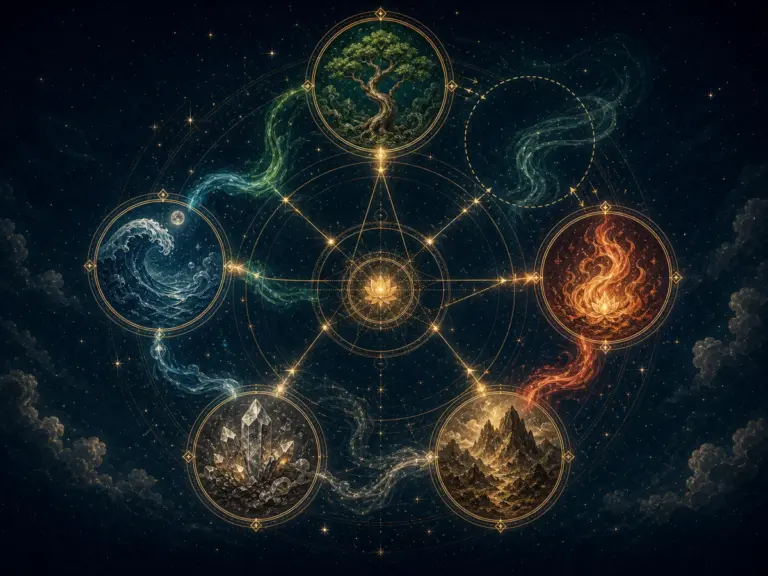
Check the visible pillars, hidden stems, and seasonal strength before interpreting a missing element in a BaZi chart.
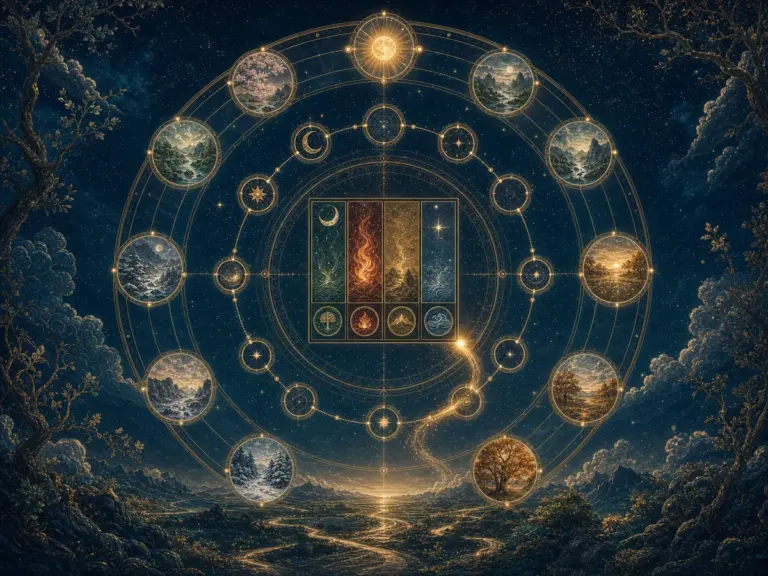
The natal chart provides the long-term structure; 10-year cycles (Da Yun) describe the environment of extended periods; and annual cycles (Liu Nian) focus on year-to-year changes. All three must be analyzed in conjunction.
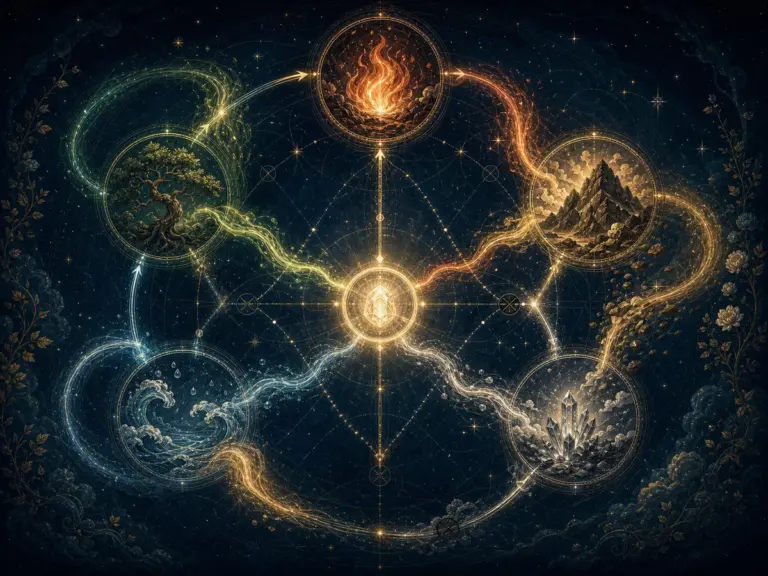
The concept of "favorable/useful elements" (xi yong shen) describes which Five Elements or relationships best support the functioning of the chart's overall structure; however, such assessments should not be based solely on which elements are missing or the quantity of each element present.
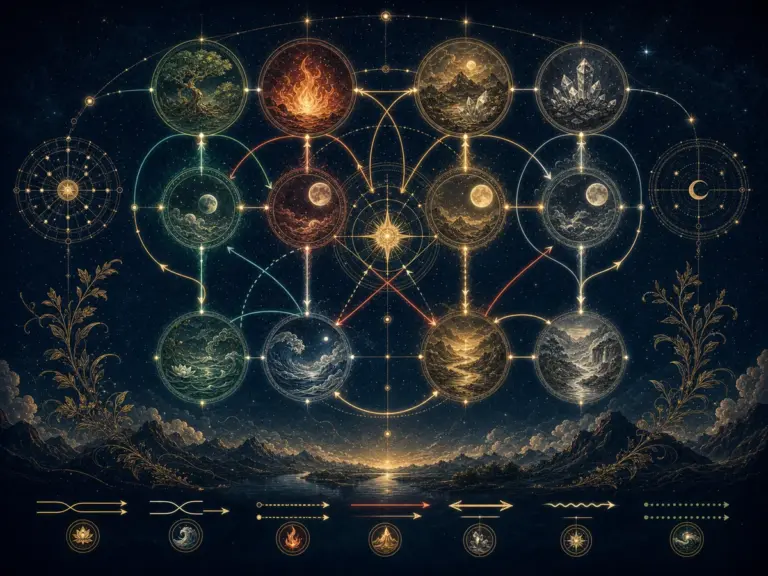
Terms like "combination," "clash," "punishment," and "harm" describe the modes of interaction between the Heavenly Stems and Earthly Branches; they do not simply equate to "good" or "bad," nor do they guarantee that specific events will occur.
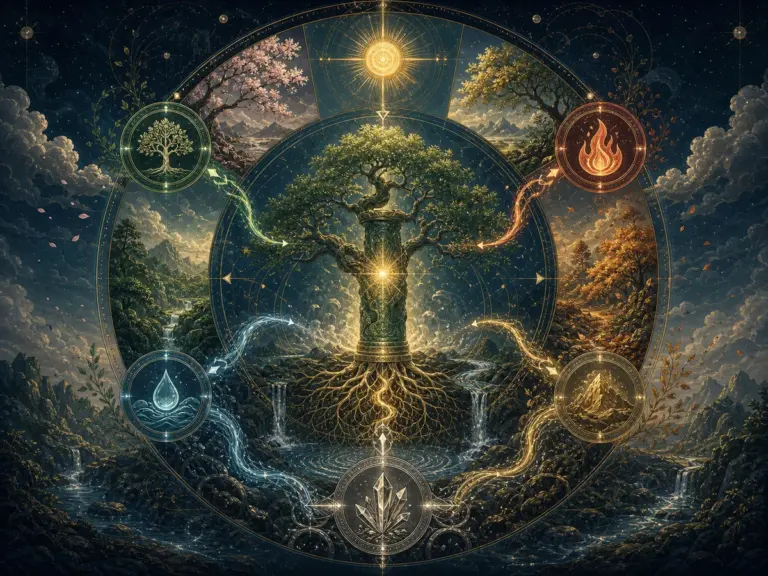
Assessing whether a chart is "strong" or "weak" involves observing the "Day Master’s" (the element representing the self) capacity to handle the overall structure. This requires considering the season, the presence of "roots" (anchoring branches), and the dynamics of support versus constraint—rather than simply counting the occurrences of the Five Elements.
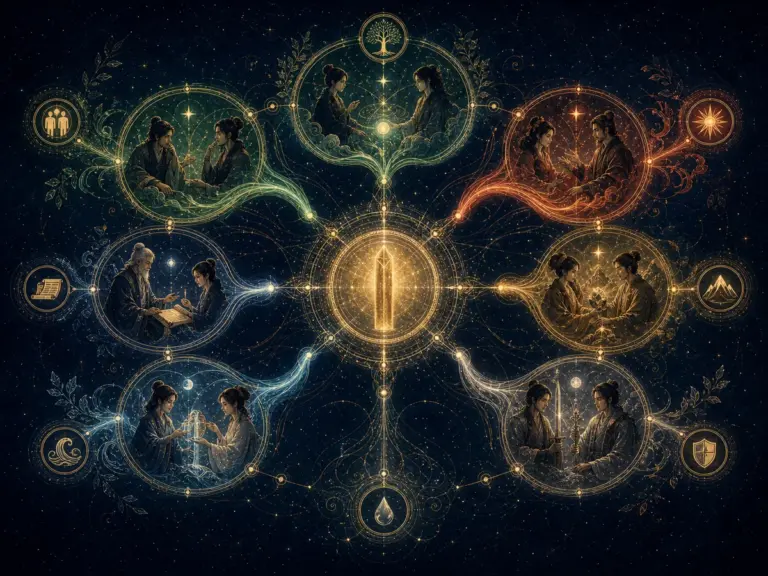
The Ten Gods are terms describing the relationships formed between the Day Master and the other stems and branches; they are used to characterize resources, modes of expression, actions, responsibilities, and patterns of interaction.
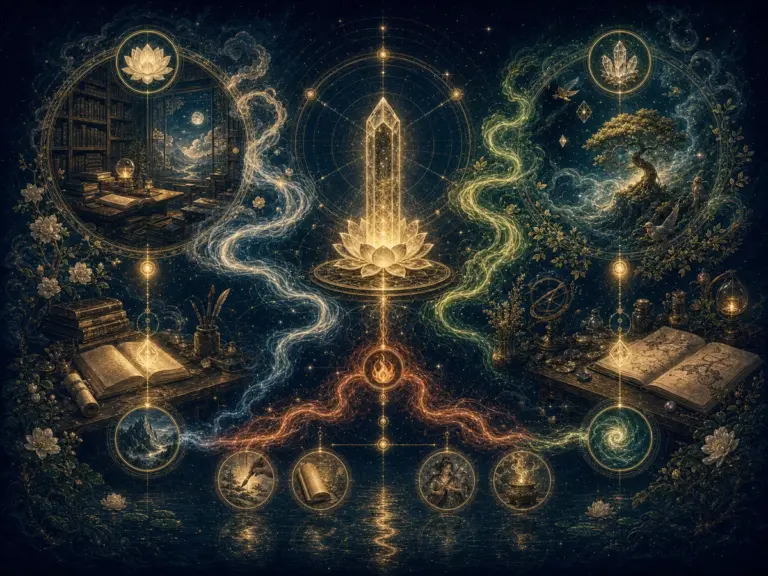
Both the "Direct Resource" (Zheng Yin) and "Indirect Resource" (Pian Yin) archetypes relate to the "Day Master" (the core self in traditional Chinese metaphysics). They are commonly used to examine aspects such as learning, resources, support, protection, and one’s patterns of thought.
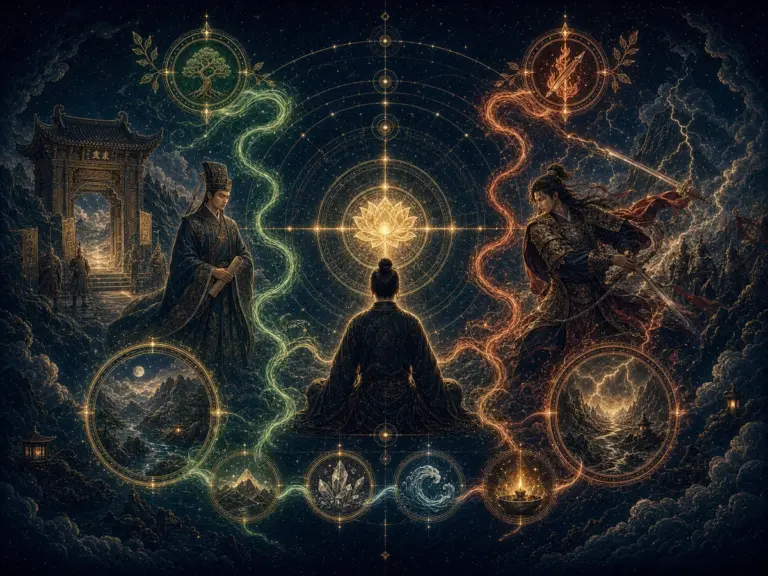
Both the "Proper Officer" (Zheng Guan) and the "Seven Killings" (Qi Sha) represent a relationship of "controlling" the Day Master (the self-element); they are often used to examine rules, responsibilities, pressures, and boundaries.
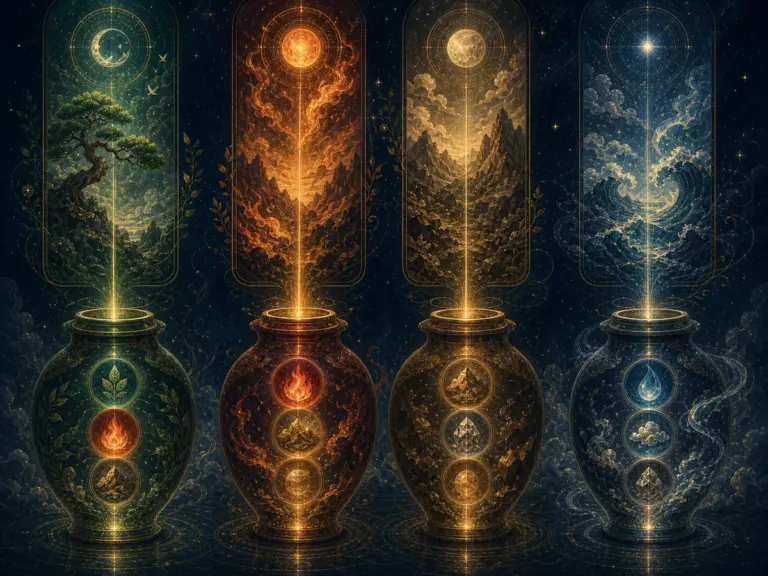
"Hidden stems" reveal the specific Heavenly Stems contained within each Earthly Branch; they serve as a vital bridge connecting the Earthly Branches, the "Ten Gods" (archetypal roles), the concept of "root" energy, and the relative strength or weakness of the elements.


