I Ching Hexagram 2, Kun (The Receptive): Meaning and Practical Reading

Explore Kun, the six-yin-line hexagram, and learn how to support a situation as it develops while keeping clear boundaries.
Learn how to cast and read I Ching hexagrams, from trigrams and moving lines to questions about relationships, work and decisions.
Explore Kun, the six-yin-line hexagram, and learn how to support a situation as it develops while keeping clear boundaries.
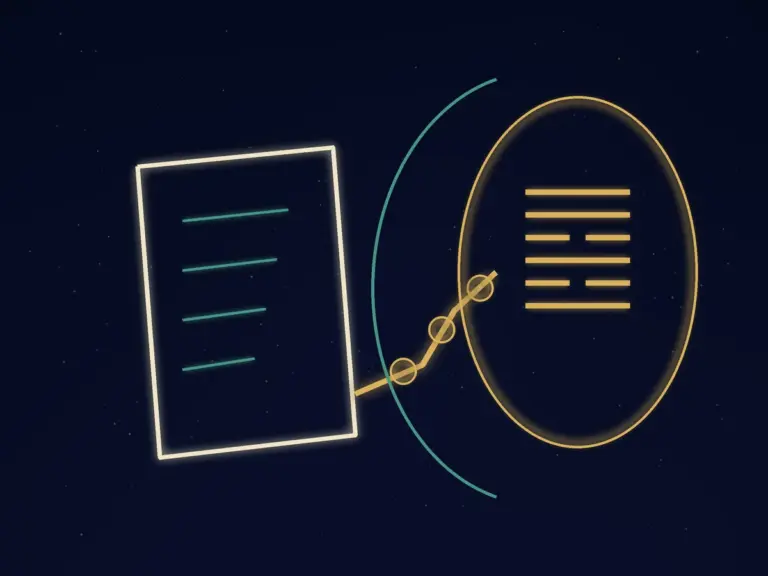
Frame an I Ching question around a specific situation, a time frame, and a choice you can act on.
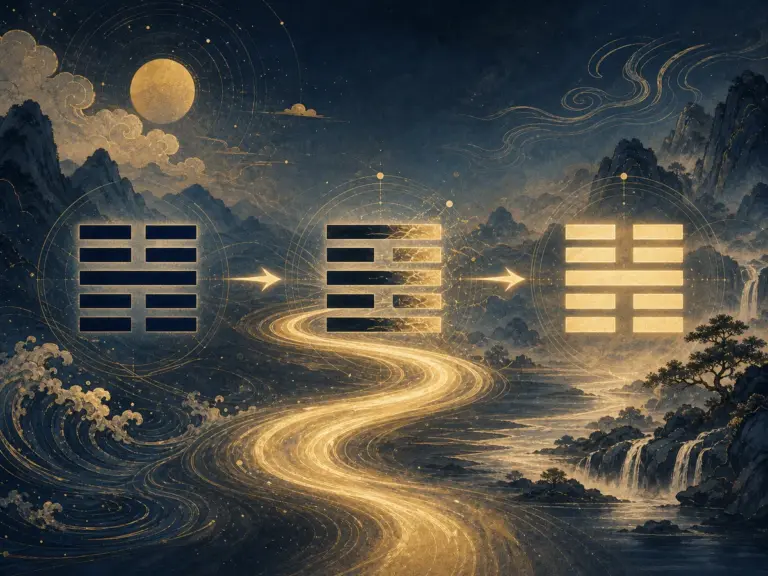
The primary hexagram (ben gua) reflects the current fundamental situation; the mutual hexagram (hu gua) provides clues regarding the internal structure; and the resulting hexagram (bian gua) reveals the trend following the changes in the moving lines. This text explains the sequence for interpreting these three components.

Explore Qian, the six-yang-line hexagram, and learn how timing, responsibility, and cooperation inform a reading about initiative.
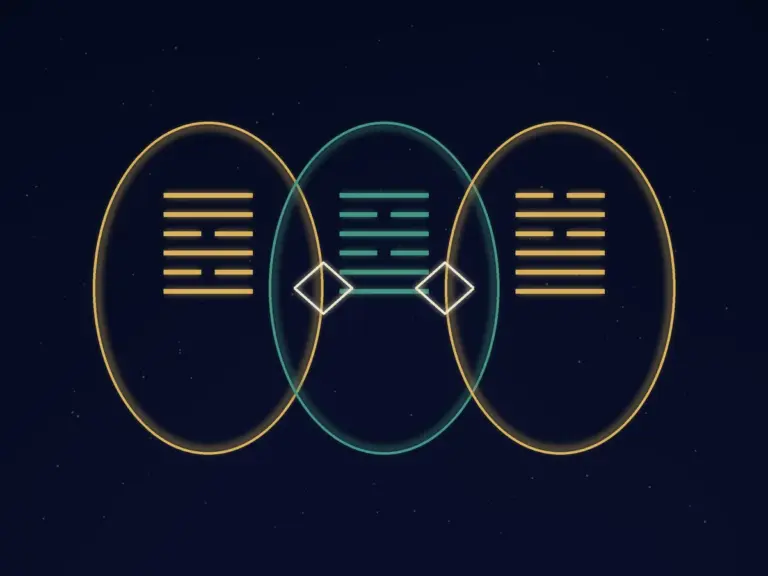
Opposite, reversed, and mutual hexagrams offer different ways to look at a reading. Use each alongside the primary hexagram and moving lines.

The eight trigrams (ba-gua) consist of Qian, Kun, Zhen, Xun, Kan, Li, Gen, and Dui. This text explains these eight trigrams through their natural symbols, familial roles, and core characteristics.
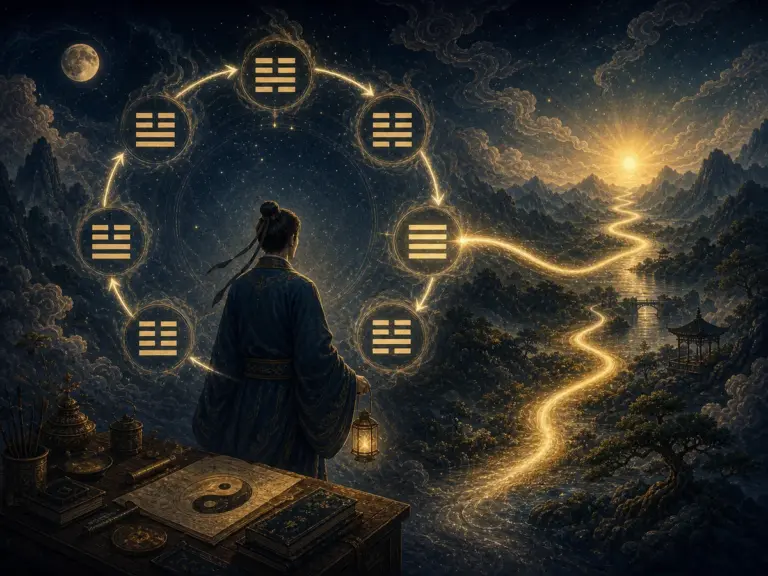
Repeatedly casting the I Ching for the same issue without any change in real-world circumstances often causes the interpretation to be swayed by one’s own expectations. It is more appropriate to consult the I Ching again only after new information has surfaced, new actions have been taken, or the perspective on the issue has shifted.
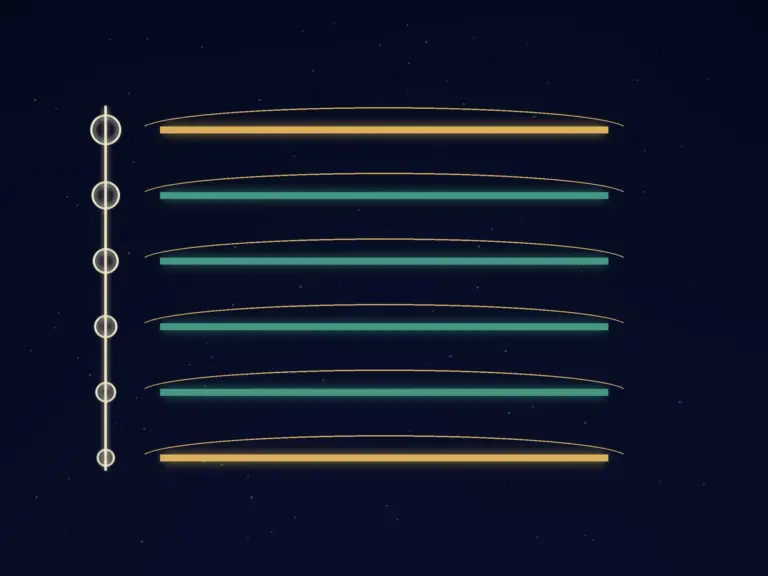
In the Liu Yao (six-line) system, lines are arranged from bottom to top, with each line representing a distinct stage. Once you grasp the significance of these positions, the "moving lines" (dong yao) and their corresponding texts (yao ci) become much easier to apply to your actual, real-life circumstances.

Using the I Ching to inquire about a partnership is useful for observing aspects like trust, roles, resources, and boundaries; however, it should not serve as a substitute for formal contract review or direct, real-world communication.

The Xiantian (Earlier Heaven) arrangement of the eight trigrams emphasizes structures of opposition and balance, while the Houtian (Later Heaven) arrangement is more commonly used to observe sequences, spatial orientations, and processes of change.


